A Tale of Two Friday Nights – with Ked Frank
A Tale of Two Friday Nights – with Ked Frank
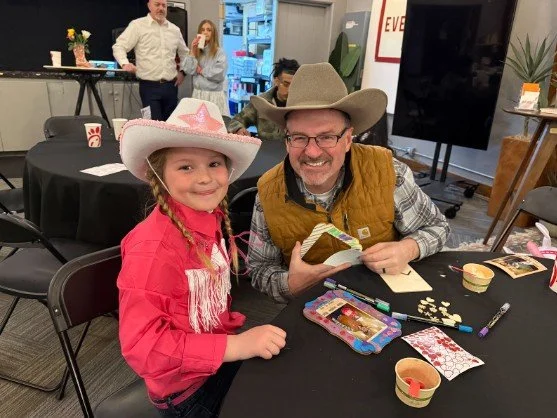
One Friday night, my daughter and I went to a father–daughter dance at church. About fifty men were there with their daughters, and it was a beautiful thing to witness. Every one of those dads was locked in on loving his daughter, investing in her life, and helping guide her toward a relationship with the Lord.
The room was full of laughter and joy. You could see the intentionality in the way these fathers were present with their girls—talking with them, dancing with them, making them feel valued and cherished. It was clear that these men understood the weight and privilege of their role. They were protecting something precious in their daughters: their sense of safety, their dignity, their innocence, their understanding of what love and respect should look like.
I was grateful that the church creates spaces like this that make it easy for dads to step into those moments and make meaningful deposits into their daughters’ lives.
But just two hours after the dance ended and I tucked my sweet daughter into bed, I was leading a team on outreach along East Colfax.
The night was warm and busy. By midnight, we had the opportunity to minister to twelve women who were working the street. We handed out gift bags and drinks, prayed with several of them, and tried to offer encouragement in the middle of a very hard environment.
What struck me most that night was how constant the demand was.
More than once, we would finish giving a woman a bag, pray with her, and pull away in our car—only to see a buyer pull up behind us seconds later. The window would roll down, a short negotiation would happen, and she would climb into the car. Watching that unfold over and over again was heartbreaking.
You could see how many men were out there that night—some acting as pimps, others as buyers. And as I watched it all, I couldn’t stop thinking about the contrast between what I had seen earlier that evening and what I was witnessing now.
Just hours before, I had stood in a room with fathers who understood their calling—men investing in their daughters, protecting their innocence, showing them through their actions what it means to be valued and loved. These men were trying to honor God, love their wives, and be there for their children.
But the women we meet on the street often have a very different story.
In fact, research consistently shows that 84% of trafficking survivors experienced sexual abuse during childhood. Early trauma is often the entry point that creates vulnerability.
A history of sexual violence is the most common trait among trafficked girls.
The truth is painful but important to acknowledge: many of the women standing on Colfax tonight were once little girls who were never protected the way those daughters were at the dance.
Instead of having a father or trusted adult defend them, someone violated their trust. Instead of being protected, they were harmed. That early trauma often becomes the doorway that traffickers exploit later in life.
Sexual violence is not only a pathway into trafficking—it is also one of the primary methods traffickers use to maintain control. And when systems fail these girls, the damage compounds. Youth who experience sexual abuse are 28 times more likely to be arrested for trafficking-related charges later in life—often criminalized for the very exploitation that began with someone harming them as children.
So as I stood on Colfax that night, the contrast was striking.
Earlier in the evening I had watched fathers protect, affirm, and invest in their daughters.
Now I was seeing women who, in many cases, had never received that protection.
And I was also seeing men participating in an industry that continues that cycle of exploitation.
It was eye-opening. It was heartbreaking.
But it also reminded me of something a friend once said: some men are the problem—but many men are the solution.
Those fifty fathers at the dance? They were part of the solution. They were modeling the kind of protection, love, and leadership that changes the trajectory of a child’s life.
And my prayer is that the men we saw on Colfax that night—those who haven’t yet had that revelation—will one day have their eyes opened too.
That they will discover the kind of man God calls them to be: a defender, a protector, a man who honors God, loves one woman, and builds a life that reflects His design.
Because when men step into that calling, it doesn’t just change families.
It can change the future for countless girls who deserve to grow up safe, protected, and loved.
GIVE NOW
RECENT POSTS