
When the Helpers Need Help Too
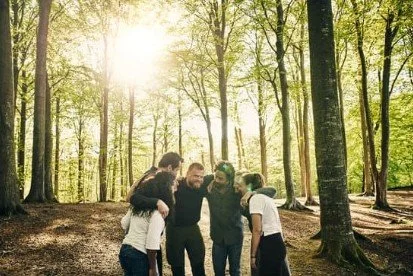
What makes anti-trafficking work so difficult is not only the stories being carried, but the weight that follows leaders home at the end of the day.
For more than twenty years, Ked and Michelle Frank have walked alongside survivors, led teams, raised support, built programs, and carried the constant responsibility that comes with serving in spaces where life-and-death realities are often present. The work itself is deeply meaningful, but it is also demanding in ways many people never fully see. This week I sat down with Michelle to discuss a recent project.
“There is so much emphasis on the residents and programs, which is absolutely critical to the why behind what we do,” Michelle shared. “But over the years, as we’ve gotten older and sat with leaders from all different walks of life, we’ve also seen how vital marriage and family are in this line of work.”
The pressure can quietly seep into every corner of life. Leaders in this space are often simultaneously serving as fundraisers, mentors, pastors, advocates, crisis responders, and organizational leaders. They are carrying the stories of survivors, navigating difficult decisions, stewarding staff teams, maintaining partnerships, and seeking wisdom for situations that rarely have simple answers.
And ministry can become isolating.
Some of the hardest seasons Michelle and Ked experienced over the years were seasons lived alone, just the two of them. Betrayal, exhaustion, spiritual warfare, disappointment, fear, and compassion fatigue will all take a toll if they are not brought into safe community.
“The enemy wants to heap isolation on people,” Michelle said. “We need to decide ahead of time that we won’t stay isolated when things get dark and hard.”
That reality became even clearer after a younger leader approached Michelle and Ked at the Abolition Summit in Denver last year.
“He said, ‘It’s really cool hearing all the win stories in ministry, but we really need you and Michelle to talk to us about how to prioritize your marriage and your kids while doing this work. We talk a lot about trauma-informed care, but we need help understanding how to do this well and still have strong marriages and families.’” The conversation moved them. Michelle and Ked began praying and asking the Lord what His heart might be for leaders carrying this kind of burden every day. What would it look like to intentionally care for the marriages and families of those serving in anti-trafficking ministry?
That question eventually became a pilot marriage retreat held this year in Grand Lake, Colorado.
Using a friend’s mountain home, they invited couples from around the country who serve in anti-trafficking work and created space for them to simply breathe, connect, and be poured into. Their desire was that the couples would not have to carry the financial burden of attending, so stipends were provided to help cover travel and expenses. The goal was simple: come as you are and invest in your marriage.
The theme the Lord gave them was “Connection.”
Connection to Jesus.
Connection to healing.
Connection to calling.
Connection to community.
Connection to one another.
The retreat included shared meals, worship, prayer, discussion sessions, time for husbands and wives to gather separately, personal ministry moments, and intentional opportunities to rest together. Before the retreat even began, the leadership team met regularly to pray over every detail and every couple who would attend.
What stood out most to Michelle and Ked was how natural and life-giving the experience felt. “Of all the things we’ve ever done, it felt so easy and light,” Michelle said. “It felt so near and dear to the Father’s heart.”
Couples arrived carrying different stories and different burdens. Some came weary. Some came discouraged. Some simply needed permission to admit that the season they were in was hard. What they found was a safe place to be honest without pretending to have it all together.
“It was powerful to bring all the spouses together,” Michelle reflected. “Not all of them work full time in this space, but they are deeply affected by it.” One of the greatest gifts was watching isolation begin to break. “All of a sudden, you realize you aren’t alone trying to sort this out,” she said. “Now you have ten new couple friends in your corner. There’s permission to say, ‘This season is really hard. Will you pray with us?’”
Michelle also reflected on the importance of intentionally protecting family life while serving in urgent ministry. She remembers one moment years ago when Ked was fielding an urgent phone call while throwing a baseball with their son, Nate.
“Nate remembers his dad showing up for him, even when there were urgent things happening,” she shared. That memory has stayed with them because children are watching closely. Marriages are shaped slowly over time and leaders cannot allow the urgency of ministry to consume every part of life.
“We need to play and refuel together in marriage,” Michelle said. “We have to continually release things to the Lord so they don’t follow us into our homes and our bedrooms if we aren’t careful.”
Now, as they look ahead, Michelle and Ked are prayerfully considering what comes next.
The fruit from this first retreat was undeniable. Deep friendships were formed. Honest conversations took place. Couples left encouraged and strengthened. Ongoing bi-weekly marriage encouragement and follow-up are already continuing as a way to help couples keep prioritizing their marriages long after the retreat ended.
After this summer’s Abolition Summit, Michelle and Ked plan to seek the Lord for what 2027 may hold. Could there be more marriage weekends? Additional cohorts? Expanded spaces for ministry leaders and spouses to heal, connect, and grow together?
They don’t yet know exactly what the next step looks like, but they know this much: caring for the people doing this work matters deeply to the heart of God.
At Safe Places for Women, we believe caring for survivors and caring for the workers serving them are not separate things. Healthy leaders, healthy marriages, healthy families, and healthy communities matter. We believe one of our responsibilities as a ministry is to build up, encourage, and strengthen those faithfully serving in difficult places so they can continue walking out the calling God has placed on their lives. Burn out should not be the norm. God calls us to something better.
Would you pray with us?
Pray for wisdom as we seek the Lord about what 2027 may hold.
Pray for protection over marriages and families serving in anti-trafficking work.
Pray against isolation, discouragement, and burnout.
Pray that God would continue creating safe places where leaders can be honest, supported, refreshed, and reminded they are not alone.
And pray that Safe Places would be able to continue to lead the way in caring not only for survivors, but also for the people faithfully showing up every day to serve them.
